

Protect Luggage from Humidity When Travelling

Protect Luggage from Humidity When Travelling

Travelling to humid or wet climates comes with an often-overlooked risk: moisture damage inside your luggage. Whether you’re heading to Southeast Asia during monsoon season, island-hopping in the Caribbean, or simply travelling through a rainy European winter, excess humidity can quietly damage your belongings long before you notice.

From mouldy clothes and musty odours to corrosion on electronics, moisture is one of the most common — and preventable — causes of travel gear damage. One of the simplest and most effective solutions? Packing desiccants in your luggage.

As specialists in moisture control solutions, we explain how desiccants work, what they protect, and how to use them properly when travelling in humid or rainy environments.


Why Humidity Is a Problem When You Travel

Humidity doesn’t just come from rain. It builds up inside suitcases due to:

  • Wet clothing or towels packed after use

  • Condensation from temperature changes (air-conditioned rooms to hot outdoors)

  • Damp airport baggage holds

  • Long periods of closed storage during transit

Once moisture is trapped inside a suitcase or backpack, it has nowhere to escape. This creates the perfect environment for mould, mildew, corrosion, and odours — especially on longer trips.


What Travel Items Are Most at Risk?

Humidity affects more than just clothing. Common items damaged by excess moisture include:

  • Electronics (phones, cameras, laptops, chargers)

  • Leather goods (shoes, belts, bags)

  • Travel documents (passports, boarding passes, paperwork)

  • Camera lenses and optical equipment

  • Medication and supplements

  • Toiletries and cosmetics (clumping, leakage, contamination)

In extreme cases, moisture damage can render items unusable — or require costly replacement.


How Desiccants Protect Your Luggage and Gear

Desiccants work by absorbing moisture from the air, lowering relative humidity inside enclosed spaces like suitcases, rucksacks, camera bags, and packing cubes.

Silica gel, clay desiccants, and calcium chloride are commonly used depending on the application, but for travel purposes, silica gel sachets are ideal because they are:

  • Lightweight and compact

  • Non-liquid and airline-safe

  • Highly effective in enclosed spaces

  • Widely used in electronics, pharmaceuticals, and logistics industries

When placed correctly, desiccants create a dry micro-environment that protects your belongings throughout your journey.


Best Ways to Use Desiccants When Travelling

1. Place Sachets Throughout Your Luggage

Don’t rely on a single pack. Use multiple small desiccant sachets distributed across your suitcase, backpack, or travel bag for even moisture control.

2. Protect Electronics Separately

Store electronics in sealed pouches or cases with a dedicated desiccant sachet. This is especially important for cameras and lenses.

3. Use with Packing Cubes

Adding desiccants inside packing cubes helps protect clothing and keeps odours at bay — particularly useful for long trips or shared luggage.

4. Don’t Pack Wet Items Without Protection

If you must pack damp clothing or swimwear, isolate it in a waterproof bag and keep desiccants with your dry items to prevent moisture spread.

5. Replace or Recharge as Needed

On extended trips, desiccants will eventually saturate. Indicator silica gel can help you see when replacement or reactivation is needed.


Why Desiccants Are Better Than “Quick Fixes”

Many travellers rely on improvised solutions like plastic bags or hotel wardrobes with air conditioning. These approaches are unreliable and inconsistent.

Desiccants, by contrast, are:

  • Scientifically proven moisture control tools

  • Used globally in shipping, aviation, and high-value equipment transport

  • Passive (no power required)

  • Effective even when luggage is stored or in transit

They protect your belongings whether your suitcase is under a plane, in a hotel room, or stored between trips.


Expert Tip: Use Desiccants Even After You Get Home

Moisture damage doesn’t stop when the trip ends. Leaving unpacked luggage in a cupboard or garage can allow residual humidity to cause problems weeks later. Keeping desiccants in stored luggage helps maintain long-term protection.


Travel Smarter with Moisture Control

Humidity is an unavoidable part of travel — but damage doesn’t have to be. Packing desiccants is a simple, low-cost step that can extend the life of your travel gear, protect valuable items, and prevent unpleasant surprises when you open your suitcase.

At Desiccants.co.uk, we supply professional-grade moisture control solutions trusted across industries — and just as effective for personal travel protection.

An In-Depth Look at Large Desiccant Bags: Applications, Benefits, and Considerations

An In-Depth Look at Large Desiccant Bags: Applications, Benefits, and Considerations

In many industries, desiccant bags are often thought of as little packets of materials that absorb moisture—are crucial for shielding goods from moisture damage and humidity. Large desiccant bags serve a more robust function throughout several sectors, whilst smaller desiccants are frequently employed for personal or daily reasons. These bags are essential for companies that deal with large-scale storage, transportation, and manufacturing processes since they are made to manage substantial amounts of moisture in larger surroundings. They are usually filled with silica gel or other moisture-absorbing materials. This article explores the function, uses, advantages, and considerations of big desiccant bags, emphasising their importance in maintaining product quality and guaranteeing ideal conditions during storage and transportation.

What Are Large Desiccant Bags?

Large desiccant bags are essentially oversized versions of the small desiccant packets commonly found in packages of electronics, shoes, or food. However, these larger bags contain the same moisture-absorbing material, such as silica gel, clay, or activated carbon. These bags are designed for bulk applications, where moisture control needs exceed the capabilities of standard-sized packets. They are typically made from durable, breathable fabric (often non-woven) to allow the desiccant material to effectively absorb moisture from the surrounding environment.

The size of these bags can vary significantly, with some reaching dimensions large enough to handle hundreds of grams or even kilograms of desiccant material. They are used for industrial-scale operations or storage areas where there’s a higher volume of moisture to manage, such as shipping containers, warehouses, and manufacturing facilities.

How Large Desiccant Bags Work

Large desiccant bags function based on the principle of adsorption, where the desiccant material draws moisture out of the air and stores it in its pores. In the case of silica gel, the material’s porous surface area attracts water molecules and holds them, thus reducing the relative humidity in the enclosed area. By maintaining low humidity levels, these bags prevent moisture-related problems such as mould growth, rust, corrosion, and degradation of goods.

The process of moisture absorption happens gradually, and the capacity of the desiccant material to absorb moisture is limited by the amount of moisture in the surrounding air and the size of the bag. Once the desiccant is saturated, it no longer functions effectively and must be replaced.

Applications of Large Desiccant Bags

Large desiccant bags have a wide range of applications across various industries. Their primary function is to protect goods and products from moisture damage during storage and transit, but the following examples demonstrate their diverse utility:

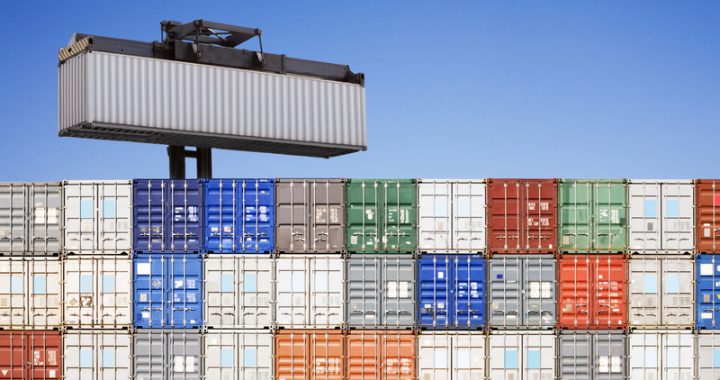
1. Shipping and Transport: One of the most significant uses of large desiccant bags is in shipping containers, particularly when goods are being transported internationally. Moisture in containers can cause severe damage to items such as electronics, textiles, machinery, and packaging materials. Large desiccant bags are placed in containers to absorb moisture and keep the environment dry, thus protecting the products from rust, corrosion, and mould.

2. Warehousing and Storage: In industries where large quantities of goods are stored for extended periods, maintaining a dry environment is essential. Large desiccant bags are used in warehouses to protect stored items such as books, furniture, clothing, and pharmaceuticals. These bags help maintain optimal storage conditions by preventing humidity from affecting the quality of the goods.

3. Food Storage and Preservation: The food industry relies on large desiccant bags to ensure the quality and longevity of stored products. For example, dried foods, spices, and other moisture-sensitive food items require protection from humidity to avoid mould, spoilage, and loss of quality. Large desiccant bags are placed in storage areas or shipping containers to regulate moisture levels and keep food safe.

4. Electronics and Industrial Equipment: Electronics manufacturers often use large desiccant bags to protect sensitive components during shipping and storage. Moisture can cause corrosion, electrical failure, and other issues with electronic devices. Large desiccant bags are placed in containers, shipping boxes, or storage facilities to prevent moisture from damaging high-value items like computers, cameras, and other electronic equipment.

5. Museums and Archival Storage: In environments where the preservation of delicate materials such as artwork, historical documents, and textiles is crucial, large desiccant bags are used to maintain the right levels of humidity. These bags help prevent mould growth and degradation of valuable materials by ensuring that the surrounding air remains dry.

Benefits of Using Large Desiccant Bags

The primary advantage of using large desiccant bags is their ability to protect valuable items from moisture-related damage, which can lead to costly losses, deterioration, or product failure. Below are the key benefits:

1. Preventing Mould and Mildew: High humidity environments promote the growth of mould and mildew, which can cause significant damage to goods. Large desiccant bags reduce moisture levels, preventing mould growth and ensuring that items remain in pristine condition.

2. Reducing Rust and Corrosion: Moisture is a primary cause of rust and corrosion, especially in metals and machinery. By absorbing excess moisture, large desiccant bags help preserve the integrity of metal goods, tools, and equipment.

3. Extending Product Lifespan: Many products, including electronics, fabrics, and food, benefit from a controlled, low-humidity environment. By preventing moisture damage, large desiccant bags help extend the lifespan of products, reducing the need for repairs, replacements, or spoilage.

4. Cost-Effective and Sustainable: Desiccant bags are relatively inexpensive and cost-effective when compared to other forms of moisture control.

Considerations When Using Large Desiccant Bags

While large desiccant bags offer numerous benefits, there are several important considerations to keep in mind when selecting and using them:

1. Size and Capacity: It is crucial to choose the right size desiccant bag for the space or container you wish to protect. Using a bag that is too small may result in insufficient moisture absorption, while a bag that is too large could be wasteful and unnecessary.

2. Monitoring Saturation Levels: Large desiccant bags need to be regularly monitored to ensure they are functioning effectively. Once saturated, they should either be replaced or reactivated. Many bags come with indicators, such as colour changes, that signal when they are full.

3. Proper Ventilation: While desiccant bags help reduce moisture, they also need proper airflow to function optimally. Sealing items or containers without adequate ventilation can reduce the effectiveness of the bags.

4. Safety and Handling: Silica gel and other desiccants are typically non-toxic, but it’s essential to follow handling guidelines to prevent contamination, particularly when used in food storage or sensitive environments.

Conclusion

Large desiccant bags are essential for shielding a wide range of goods and materials from the harmful effects of moisture. These bags provide efficient and economical moisture control for everything from shipping containers to warehouse storage and food preservation. Large desiccant bags prolong the life of goods and guarantee they arrive in ideal condition by avoiding mould, rust, and deterioration. Large desiccant bags will continue to be a crucial instrument for managing moisture and protecting products as long as enterprises concentrate on maintaining the quality of their goods.

Want to know more? Then contact us here at Desiccants.